
TECHNICAL BRIEF
PROJECT INTRODUCTION
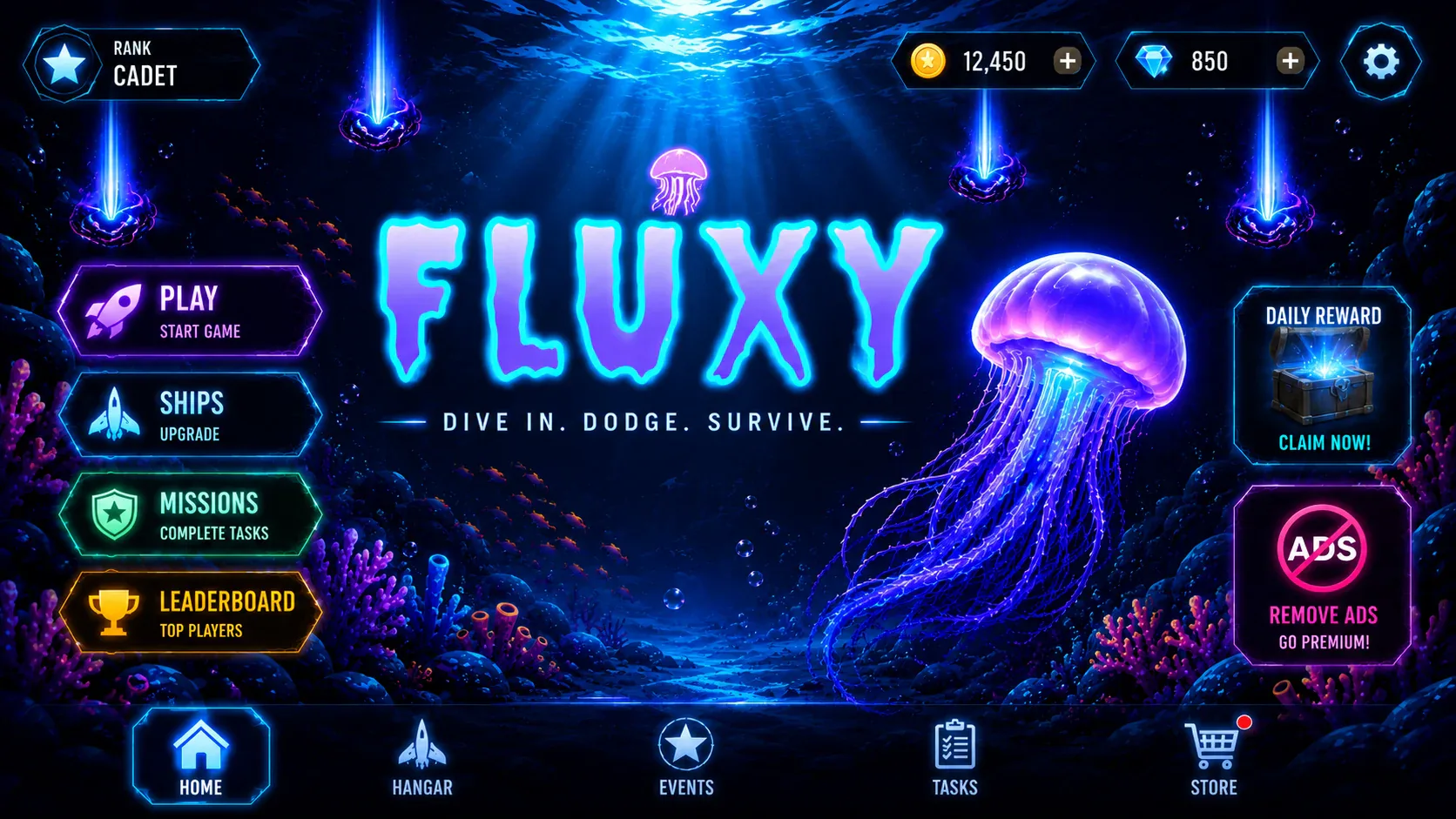
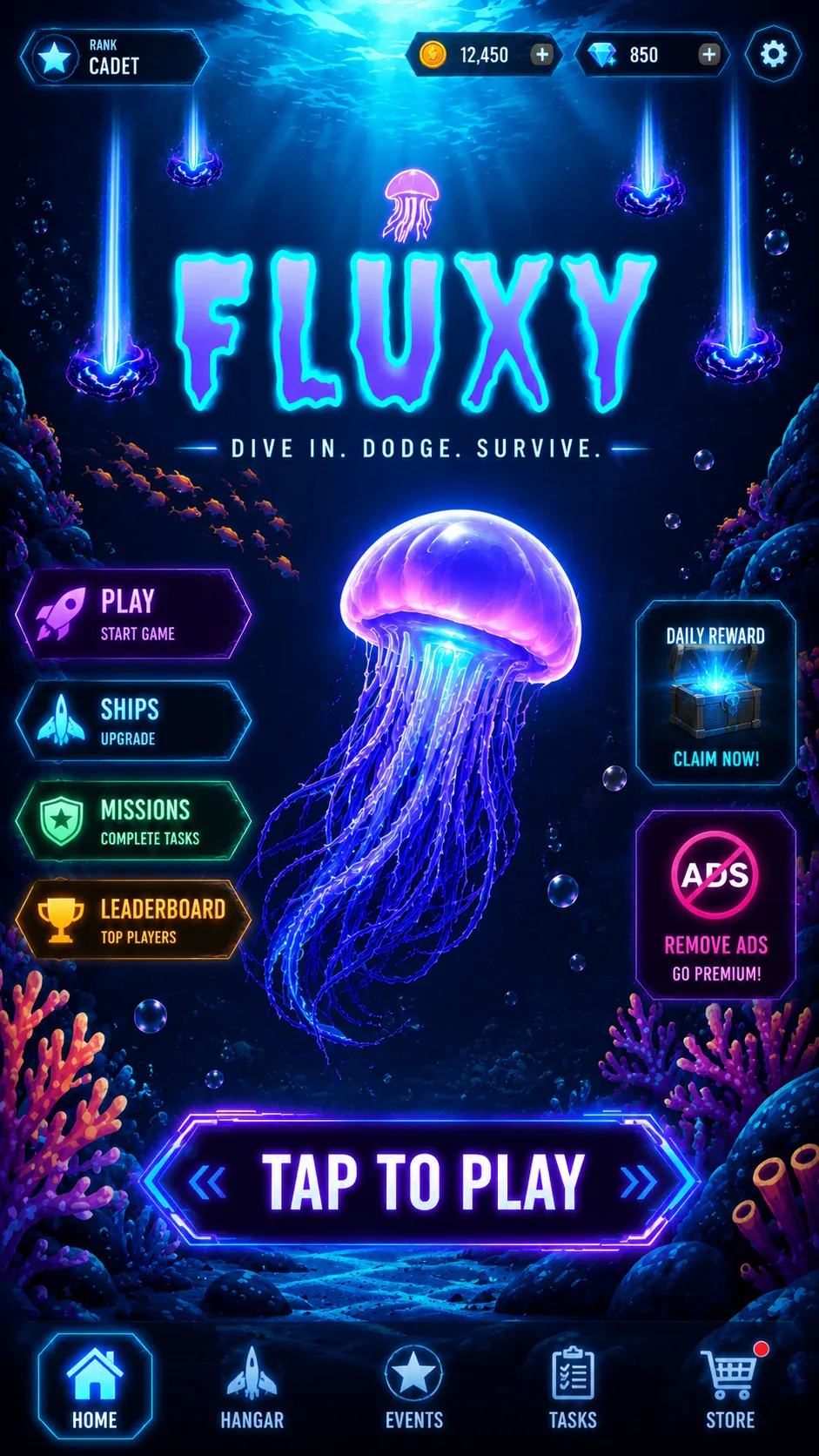
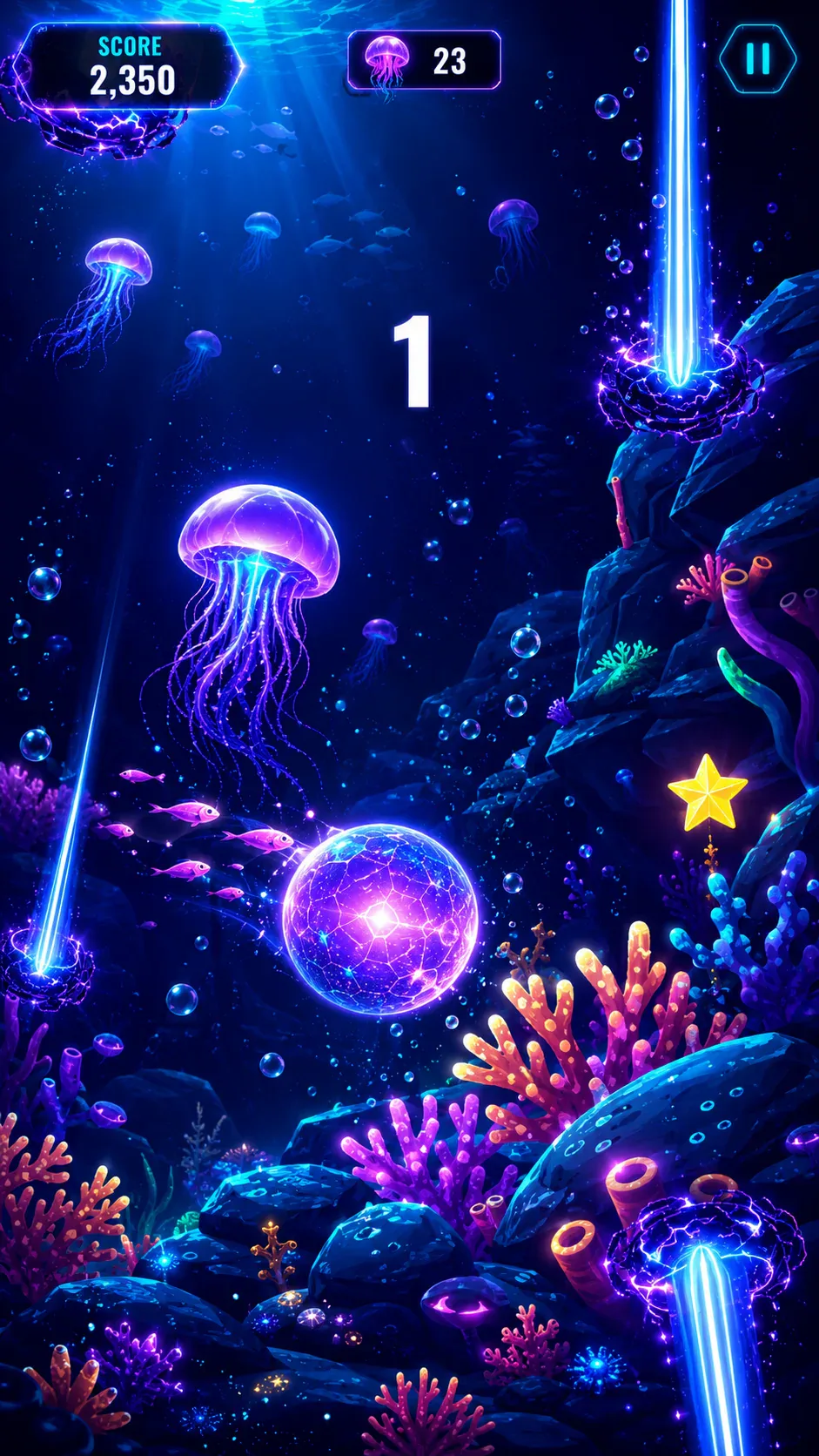
Fluxy is a fast-paced 2D underwater arcade survival game where players guide a jellyfish swimming upward through hazardous deep-sea currents. Players tap the screen to swim against gravity, navigate through narrow gaps between coral reefs and marine obstacles, collect star clams (currency), and acquire shields to survive impact.
ENGAGEMENT MODEL3 Months
GAME ENGINEUnity 6 (Version 6000.0.68f1)
GENREUnderwater 2D Arcade / Endless Runner
ART STYLEStylized 2D (Underwater/Ocean-themed, vibrant cartoon assets)
TARGET PLATFORMSAndroid, iOS, WebGL
GAMEPLAY PREVIEW
ENGINEERING ROADBLOCKS
TECHNICAL CHALLENGES
The project was commissioned to test Unity 6's brand-new 2D sprite rendering pipelines and deliver a lightweight mobile title featuring global competition rankings.
CHALLENGE LOG #1
CHALLENGE LOG #2
1
Seamless Guest to Registered Account Onboarding
Letting players start playing immediately as a guest and converting them to a registered email account later without losing their progress (clams collected, high scores) requires robust state linking on the backend.
2
Responsive Underwater Physics Tuning
Crafting a 2D floaty movement feel that simulates being underwater (using physics forces) while remaining tight and responsive to sudden player taps.
3
Weekly-Rolling Leaderboard Synchronization
Resetting and tracking player scores globally on a weekly cycle without introducing heavy maintenance overhead or manual database resets.
CUBESTAX ARCHITECTURE
ENGINEERED SOLUTIONS
1
Architecture
PlayFab-Powered Cloud Backend: Integrated the PlayFab SDK to manage user state, allowing silent authentication (Guest login) using unique device IDs, which can later be upgraded/linked with custom email registrations.
2
Gameplay
Deterministic Physics & Local Cache: Used Unity's Rigidbody2D with instant impulse velocity modifications for predictable movement. A local PlayerPrefs cache safeguards offline progression before uploading to the server upon re-establishing a connection.
3
Optimization
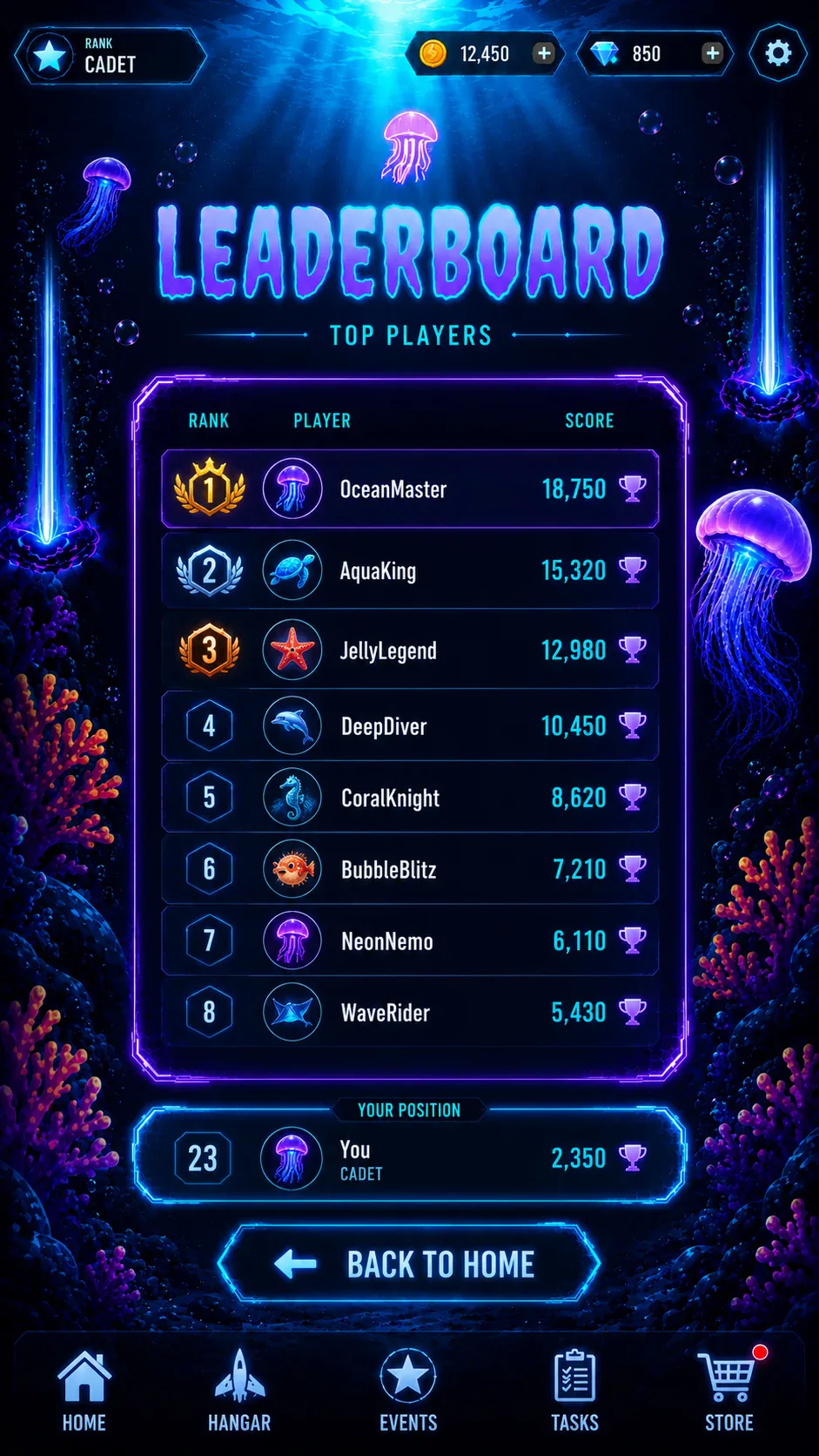
Dynamic Weekly Leaderboard Scheme: Programmed an automated leaderboard identifier generator (GetWeeklyLeaderboardName()) calculating week numbers directly from UTC time, segmenting scores into weekly tournaments automatically.
4
Art Pipeline
Lightweight 2D Rendering: Structured vibrant underwater sprite sheets using Unity 6's optimized 2D Atlas package, completely eliminating draw call fragmentation.
VERIFIED SOLUTION #1
VERIFIED SOLUTION #2
EXECUTION TIMELINE
DEVELOPMENT PIPELINE
Structured milestone sprints from core game loop validation to production-ready multi-platform release.
Discovery & Core Physics Prototyping (Weeks 1-3)
Perfecting the jellyfish control loops, underwater gravity simulation, and collision boundaries with obstacle systems.
UI & User Onboarding Flows (Weeks 4-7)
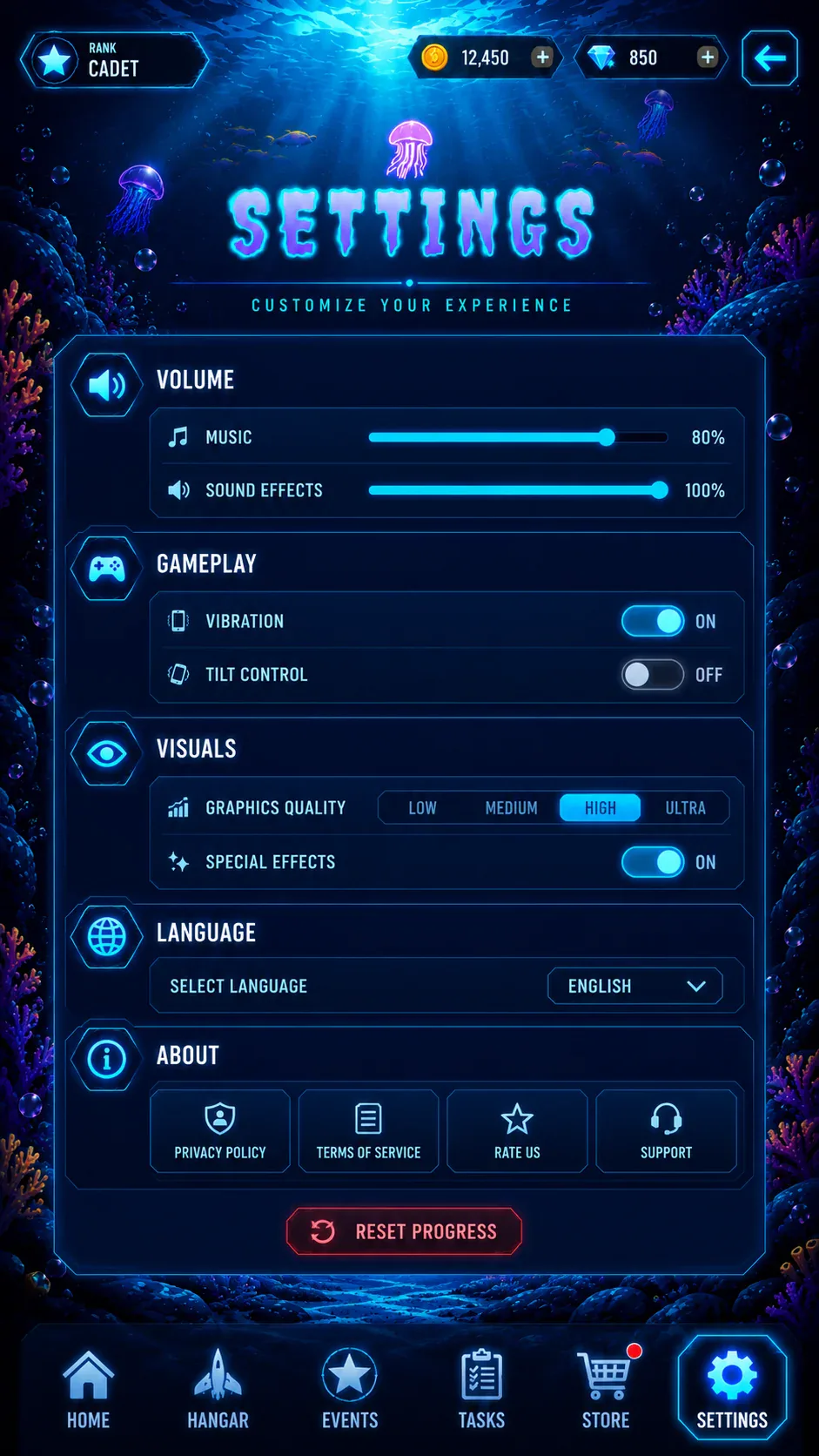
Implementing modular screens (HomeScreenUI, ShopScreenUI, SettingScreenUI, LoginScreen) with decoupled event bindings.
Backend & Sync Systems (Weeks 8-10)
Linking the client to PlayFab cloud endpoints for secure data submissions, profile upgrades, and retrieving weekly scoreboard lists.
Ad Monetization & Polish (Weeks 11-12)
Hooking up Google Mobile Ads (AdMob), integrating the SoundManager audio system, and final performance optimization.
MEASURABLE METRICS
RESULTS & DELIVERY IMPACT
Frame Performance
Unity 6 lightweight rendering
Guest Upgrades
Silent ID to Email linking
Weekly Ranking Updates
Time-segmented dynamic boards
KNOWLEDGE BASE